
STAGE 01
Compare the package
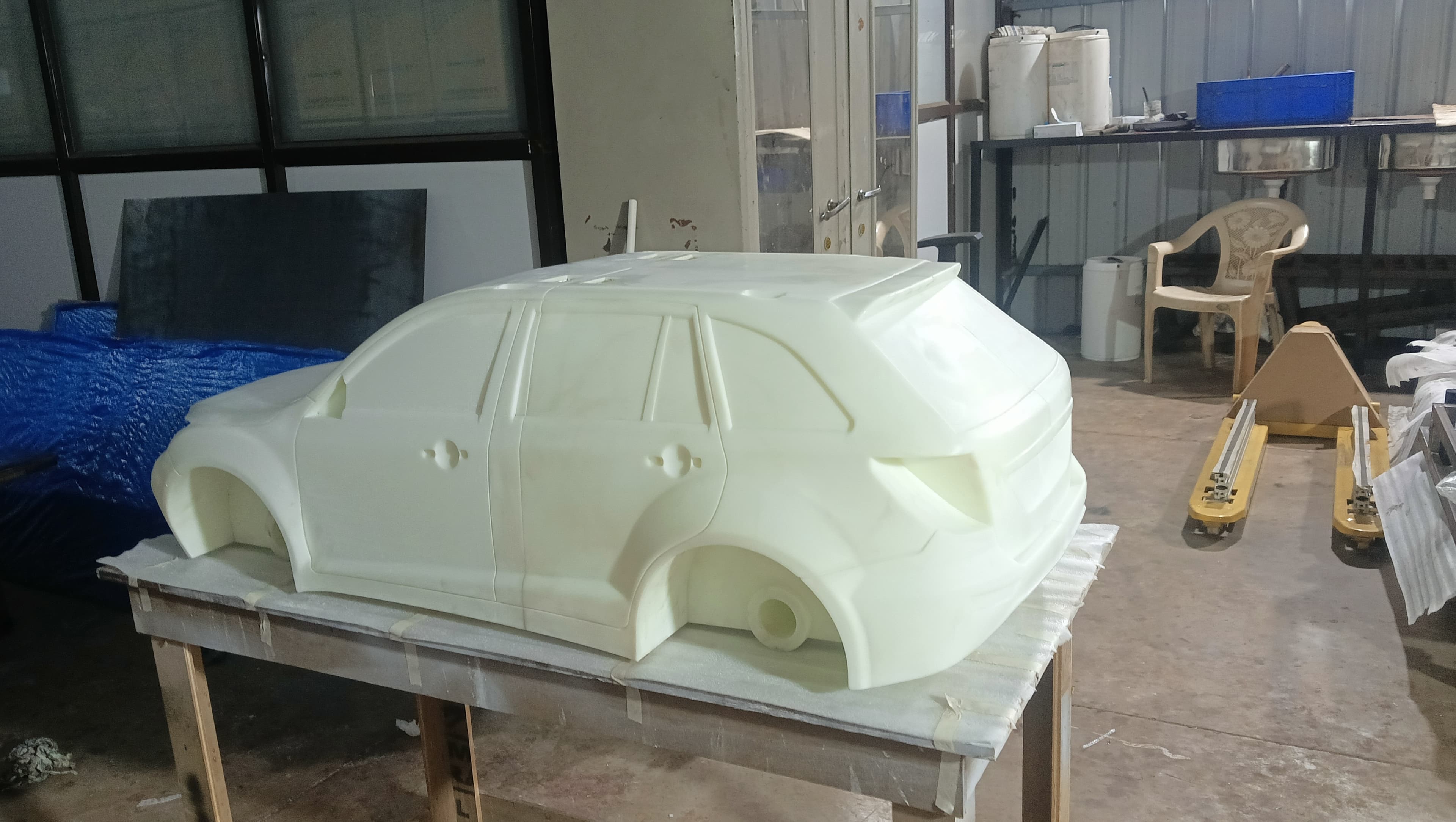
We begin with a full-scale reference model to compare overall proportions, occupant space, key hard points, and the way major features are packaged.
Learn from the market
We compare your product with competitors and relevant industry standards to reveal performance gaps, design strengths, user-experience opportunities, and practical directions for improvement.
Evidence before decisions
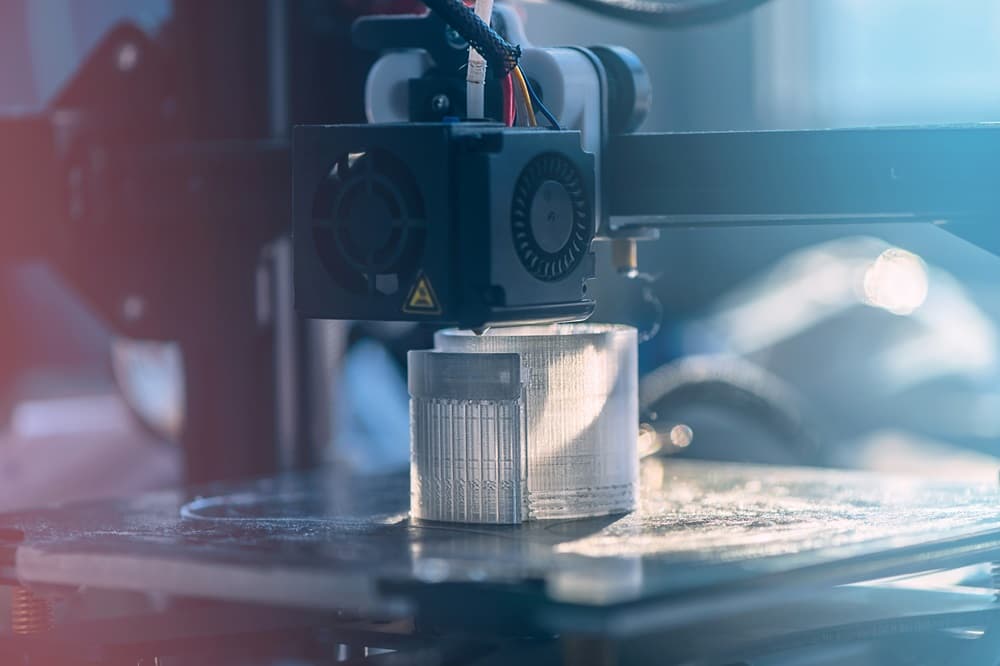
We combine physical models, controlled inspection, and detailed teardown analysis to turn competitor observations into measurable, practical product improvements.
We begin with a full-scale reference model to compare overall proportions, occupant space, key hard points, and the way major features are packaged.
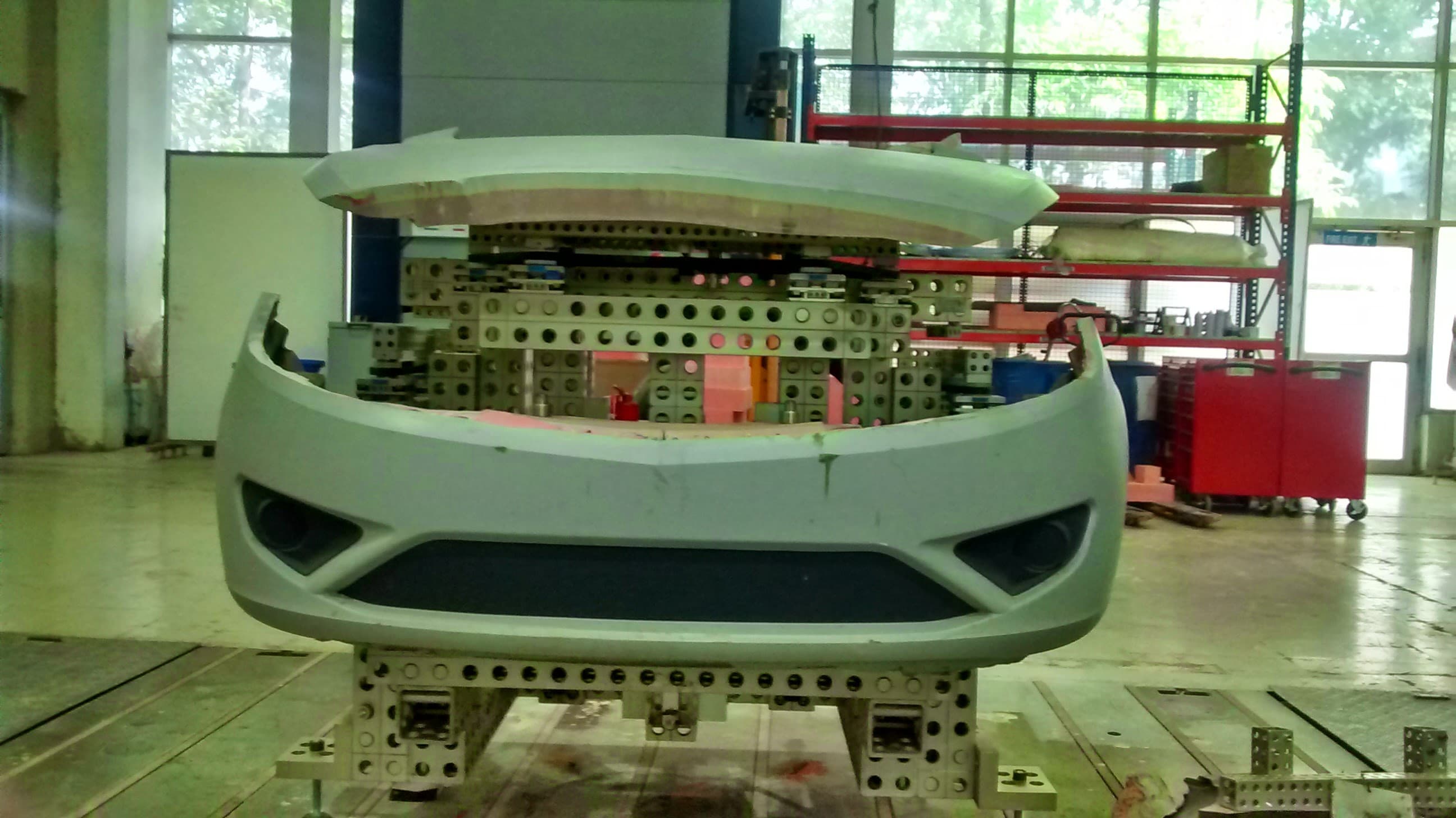
Physical bucks help us study interfaces, clearances, mounting locations, and assembly relationships before design decisions move further downstream.
Large physical models reveal stance, surface transitions, visibility, and proportion in a way that drawings alone cannot, enabling confident side-by-side assessment.
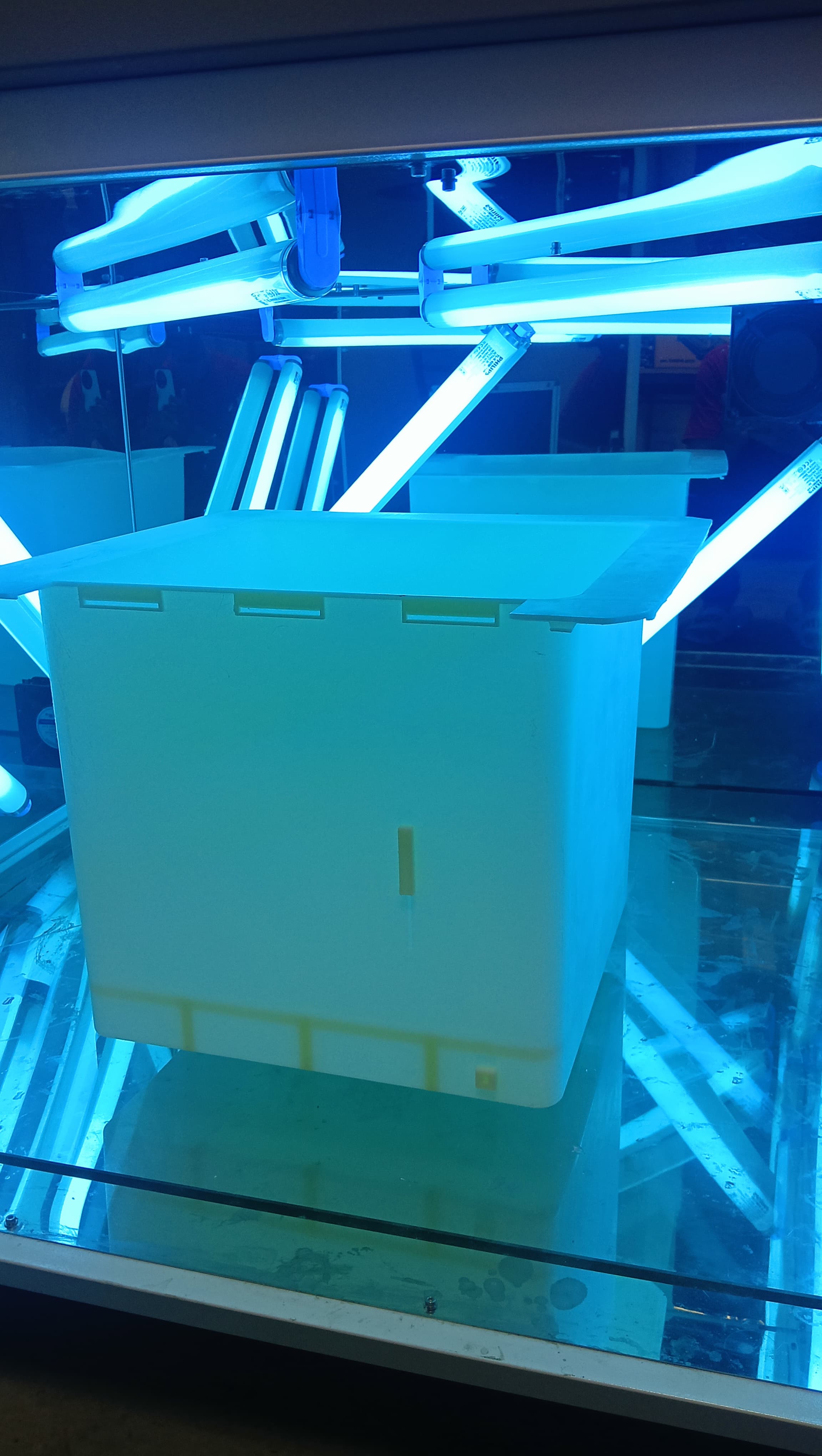
Controlled light inspection makes edges, curvature, gaps, and surface inconsistencies easier to identify, measure, and compare against the target standard.
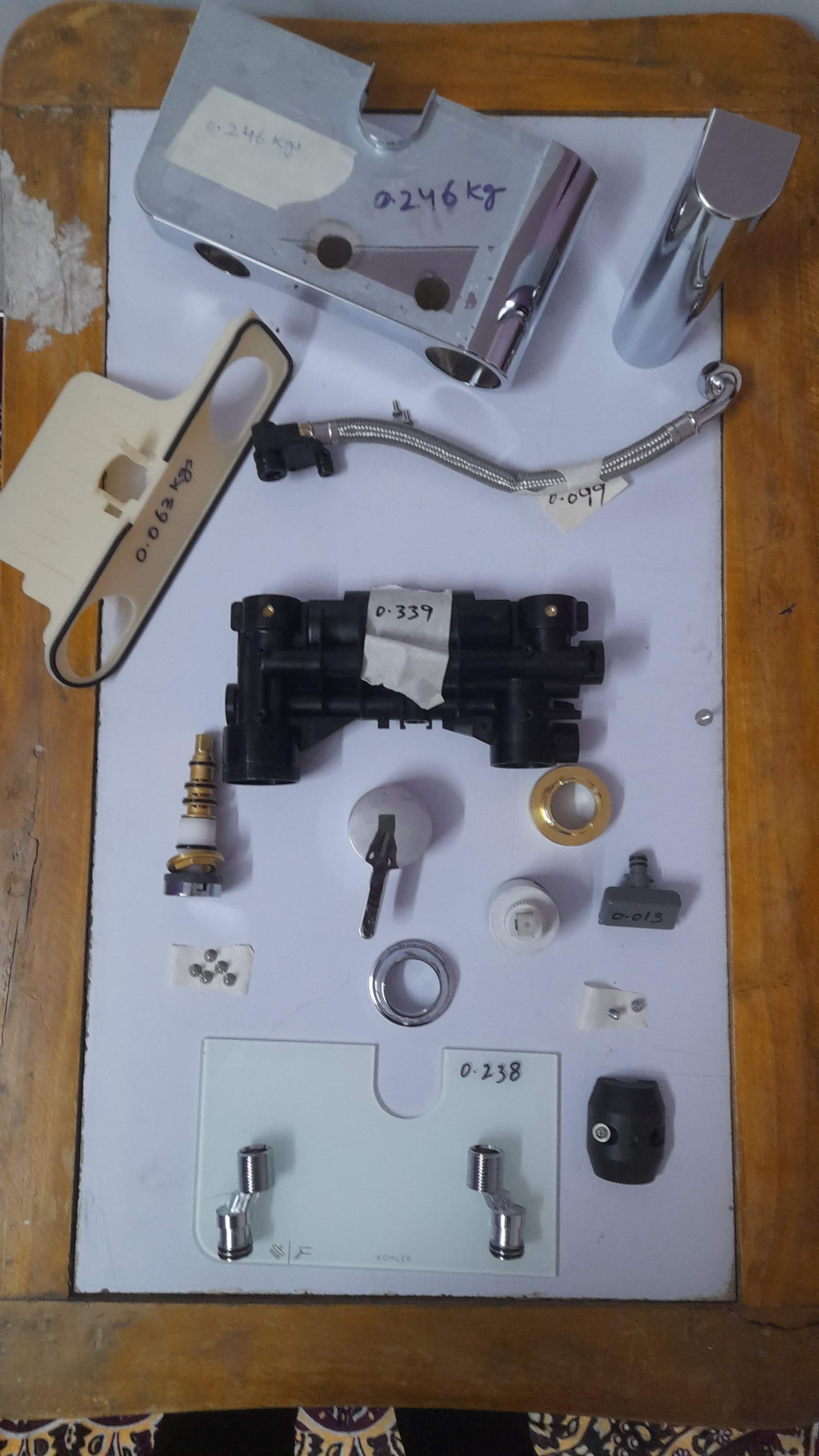
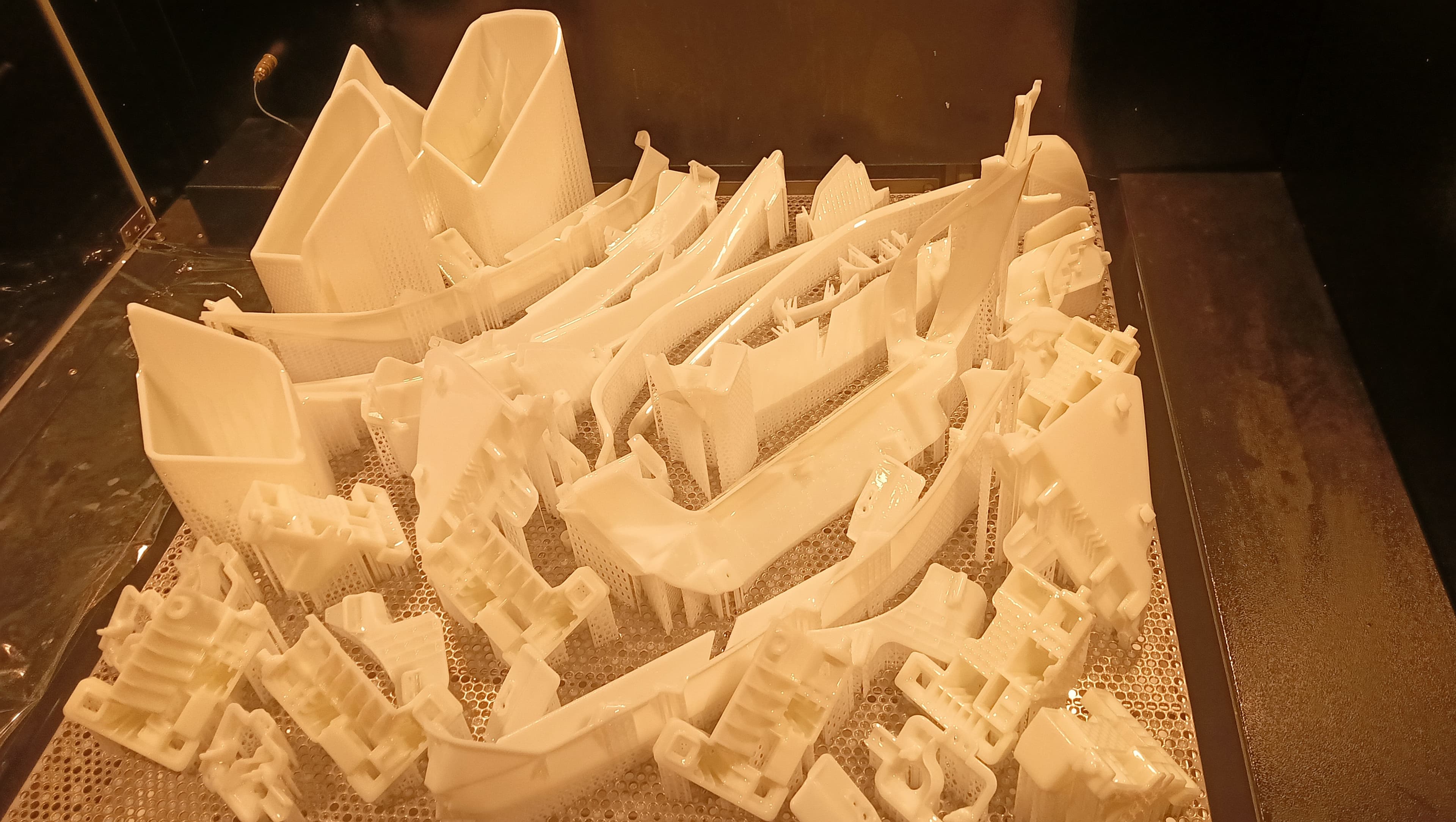
A structured teardown records material, mass, construction, hardware, and functional details so improvement opportunities are supported by physical evidence.
Need a clearer competitive advantage?
Let's benchmark what matters.